
Passwords vs. Passkeys: The Future of Secure Authentication
Digital passwords have been the authentication standard for over 60 years, but modern digital threats call for stronger, more secure authentication methods. Passkeys represent the next generation of secure authentication technology. Unlike traditional passwords, which authenticate using something that you know (a string of text), passkeys authenticate using something you have (a token or security key) and something you are (biometrics like FaceID or a fingerprint). How Do Passkeys Work? When you create a passkey, your computer generates two keys, one public and one private. The service you are signing up for receives the public key, while you keep the private key. When you login, the biometric authentication happens on your device, ensuring that your info is never transmitted. The server then sends a mathematical challenge based on the public key that can only be solved using the private key stored on your computer. This combination of biometric authentication and cryptographic key exchange makes passkeys inherently resistant to data breaches, interception, malware theft, and phishing attacks through social engineering. The Security and Convenience Benefits of Passkeys In addition to these security benefits, passkeys are far more convenient to use than traditional passwords. Passkeys require zero memorization or typing for authentication, making logins nearly instantaneous and completely eliminating the need for password resets. Passkeys also provide two-factor authentication in a single step by requiring both something you have and something you are. Furthermore, passkeys are immune to phishing attacks because they are cryptographically bound to the legitimate website’s domain name. If you accidentally visit a phishing site, your device will simply refuse to authenticate using the passkey because the domain doesn’t match, preventing you from having to do the detective work of spotting fraudulent domains yourself. The Growing Adoption of Passkeys While passkeys are not yet the industry standard, major platforms have made significant progress in adopting them. Technology companies such as Apple, Google, Microsoft, and Amazon now all natively support passkey authentication, marking a major milestone toward widespread implementation. As more organizations implement passkey support, the need for traditional passwords will continue to decline. Both the National Cybersecurity(NCC) and the UK’s National Cyber Security Centre(NCSC) endorse using passkeys so that you can experience the benefits of secure, convenient digital access while knowing that your most important accounts are more secure than ever.
Why Multi-Factor Authentication Is No Longer Optional
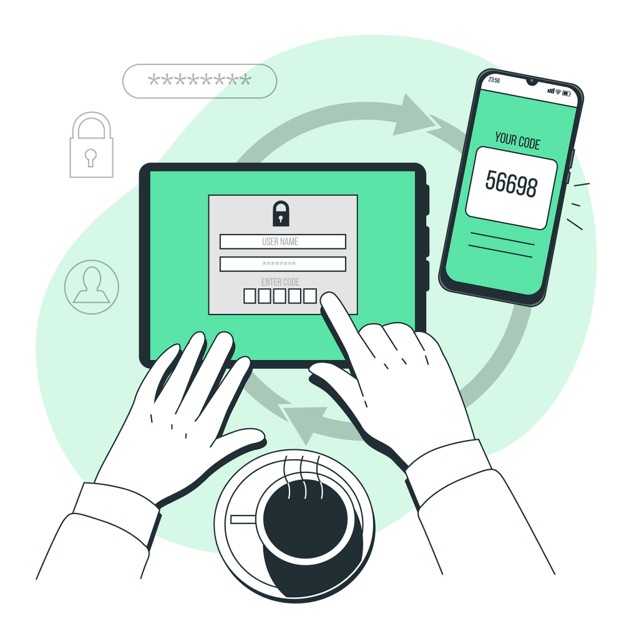
Until only a few years ago, Multi-Factor Authentication (MFA) was considered an extra layer of security that many businesses chose to skip. Today, that is no longer the case. Multi-Factor Authentication is no longer optional for businesses. As cyberattacks become more sophisticated, passwords alone are no longer enough to keep your business and its data secure. Attackers have more tools than ever before. Phishing emails are becoming harder to recognize, automated attacks can test thousands of stolen passwords in seconds, and data breaches continue to expose millions of login credentials every year. Even with a strong password, one compromised account can give an attacker a way into your environment. That is where Multi-Factor Authentication comes in. MFA requires a second form of verification, such as an authentication app, text message, security key, or biometric verification. Even if an attacker obtains a user’s password, they are still blocked from signing in without that second factor. According to Microsoft, implementing MFA can prevent 99.9% of automated account compromise attacks. MFA Is Becoming an Industry Standard MFA is quickly becoming a standard requirement across the industry. Many cyber insurance providers require it before issuing coverage, and many security frameworks recommend or mandate it to help protect sensitive data. Simply put, Multi-Factor Authentication is no longer optional for businesses. It is one of the most effective ways to reduce the risk of unauthorized access. A Simple Step Toward Better Cybersecurity Implementing MFA is a relatively simple change that can provide a significant security benefit. When combined with a strong comprehensive cybersecurity strategy (Managed Services), it helps protect your employees, your business, and your customers from one of the most common methods attackers use to gain unauthorized access. Cybersecurity does not have to be complicated, but it does need to evolve. If your organization is still relying on passwords alone, now is the time to make Multi-Factor Authentication part of your security strategy.
Technology abounds. Do your duty with it.

Technology today is everywhere you turn in abundance. Your day begins with it when your phone, Alexa or your digital alarm clock awakes you. It even precedes your waking up, when your thermostat tells your furnace to kick start so it’s warmer for when you get out of bed or your coffee maker starts so you have a warm brew ready when you reach the kitchen. Then, technology rules your commute with vehicles having multiple computers performing a variety of functions including navigation, driver safety enabling systems, and managing the integration of your engine, transmission, brakes suspension and other essential components. Technology likely inundates your work environment. From unlocking doors, to managing alarms, and navigating safety systems just to begin your work day. Likely, you spend a large portion of your day on a computer while also utilizing modern day communication devices. Technology surrounds us whether we like it or not and we all have become extremely dependent on it to conduct our routine lives. We must put in place safeguards and protections, given that we accept this fact. We must protect our technology from misuse. As adults, parents and as leaders of work organizations you have a duty to not only actively participate in technology safety protocols but also to enforce their use and in many cases take responsibility for their evaluation and development. To bring you and your organization peace of mind and to have confidence in your technology in the work place, it is highly advisable to perform an information technology audit. L6 Technology performs IT Assessments and would be happy to quote you for this vital service function. Call or email us today, so you can be assured of having the protections, functionality and service needed.
Are you confident that your governmental agency is ready to handle a cyberattack?

Taxpayers expect fortified cybersecurity from their governmental agency and count on processes and controls being in place to protect networks used. Moreover, they presume that a recovery plan is in place should any cyberattack occur. Their governmental leaders believe they are prepared for threats. Cybersecurity threats are by far the number one risk in today’s technology landscape. Having a comprehensive strategy to reduce these risks is crucial. To effectively reduce cybersecurity risk, every area of technology must be evaluated. L6 Technology identifies six areas: perimeter, datacenter, endpoints, policies, physical, network. For example, when securing your home, you need to check and lock the front door, back door, windows, and any other access. If you leave the backdoor or windows unlocked, having the front door locked is not enough security to fortify against attacks. Having a good firewall is similar to locking only the front door. Most cybersecurity attacks do not come through the front door. Users clicking on things or opening something suspicious can trigger an attack. This is the most common way breaches start occurring. To reduce this chance, multiple areas of your agency’s technology need to be examined and secured, ensuring comprehensive cybersecurity measures are implemented. This all starts by having an assessment of your IT systems, including internet, wi-fi, network, firewalls, servers, and configuration reviews. Once risks are identified, a strategy for reducing them should be created, considering risk levels, agency resources, and team member capabilities. L6 Technology helps governmental leaders examine risks and formulate plans to mitigate them. Agencies should assume they are not adequately protected today. Firewalls should only be part of a comprehensive security strategy. Contact L6 Technology to determine if all of your doors are locked. This version maintains the content while breaking it into segments with approximately 20 words per line. Let me know if you need further adjustments! Monitoring Center L6 Technology’s Monitoring Center tracks each customers’ network performance, change management, patch management, configuration management, remote cloud backup and more. Alerts for system outages or issues can be customized to include organization staff immediately or delayed, or at specific times if needed.
Are you truly prepared for a Cyberattack?

Taxpayers expect fortified cyber security from their governmental agencies and count on processes and controls being in place that will protect any networks used. Moreover, they presume that a plan is in place, should any cyberattack occur. They believe that their governmental leaders are prepared to handle and overcome any cyberattack or threat launched. Cybersecurity threats are by far the number one risk in today’s technology landscape. Having a comprehensive strategy to reduce these risks must be a top priority. To effectively reduce the risk of cybersecurity, every area of technology must be evaluated. L6 Technology identifies cybersecurity across six areas; perimeter, datacenter, endpoints, policies, physical, and the network. For example, when securing your home you need to check and lock the front door, back door, windows and any other means of access. If you leave the backdoor or windows unlocked, having the front door locked is not sufficient security to fortify the home from an attack. Having a good firewall is similar to having only the front door locked. A majority of all cybersecurity attacks do not come through the front door. Users clicking on things or opening something suspicious can trigger an attack, and it is the most common way that a breach starts. To reduce the chance of this happening, multiple areas of your agency’s technology will need to be examined and secured. This all starts by having an assessment of your information technology systems performed. Including examining your internet, wi-fi, network, firewalls, servers, and your configurations related to every aspect of your information technology. Once the risks are identified, then a strategy for reducing them can and should be created. Any practical strategy will take into account the level of risk, the resources available to the agency and the capabilities of the team members needed to deploy the solutions recommended. L6 Technology can help governmental leaders examine their risks and in formulating a plan to mitigate those risks. Don’t rely solely on your firewalls and make the assumption that your organization is adequately protected. Contact L6 Technology today and let us help you determine if all of your doors are properly locked.
You have been fired!

E-Mail from HR tricking users. A phishing email pretending to terminate a staff member’s employment has been very effective at getting people to click the attachments.
