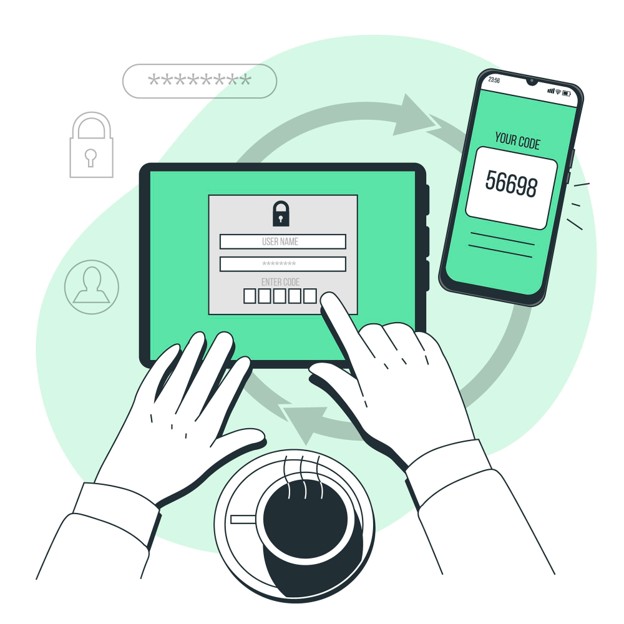
Until only a few years ago, Multi-Factor Authentication (MFA) was considered an extra layer of security that many businesses chose to skip. Today, that is no longer the case. Multi-Factor Authentication is no longer optional for businesses. As cyberattacks become more sophisticated, passwords alone are no longer enough to keep your business and its data secure.
Attackers have more tools than ever before. Phishing emails are becoming harder to recognize, automated attacks can test thousands of stolen passwords in seconds, and data breaches continue to expose millions of login credentials every year. Even with a strong password, one compromised account can give an attacker a way into your environment.
That is where Multi-Factor Authentication comes in. MFA requires a second form of verification, such as an authentication app, text message, security key, or biometric verification. Even if an attacker obtains a user’s password, they are still blocked from signing in without that second factor. According to Microsoft, implementing MFA can prevent 99.9% of automated account compromise attacks.
MFA Is Becoming an Industry Standard
MFA is quickly becoming a standard requirement across the industry. Many cyber insurance providers require it before issuing coverage, and many security frameworks recommend or mandate it to help protect sensitive data. Simply put, Multi-Factor Authentication is no longer optional for businesses. It is one of the most effective ways to reduce the risk of unauthorized access.
A Simple Step Toward Better Cybersecurity
Implementing MFA is a relatively simple change that can provide a significant security benefit. When combined with a strong comprehensive cybersecurity strategy (Managed Services), it helps protect your employees, your business, and your customers from one of the most common methods attackers use to gain unauthorized access.
Cybersecurity does not have to be complicated, but it does need to evolve. If your organization is still relying on passwords alone, now is the time to make Multi-Factor Authentication part of your security strategy.


